
Patents & Publications
Advancing Cancer Care Through Research & Innovation
Our commitment to advancing cancer care through AI research, validated clinical studies, and our patent portfolio.
Research Publications
Peer-reviewed research advancing AI and precision radiotherapy in oncology
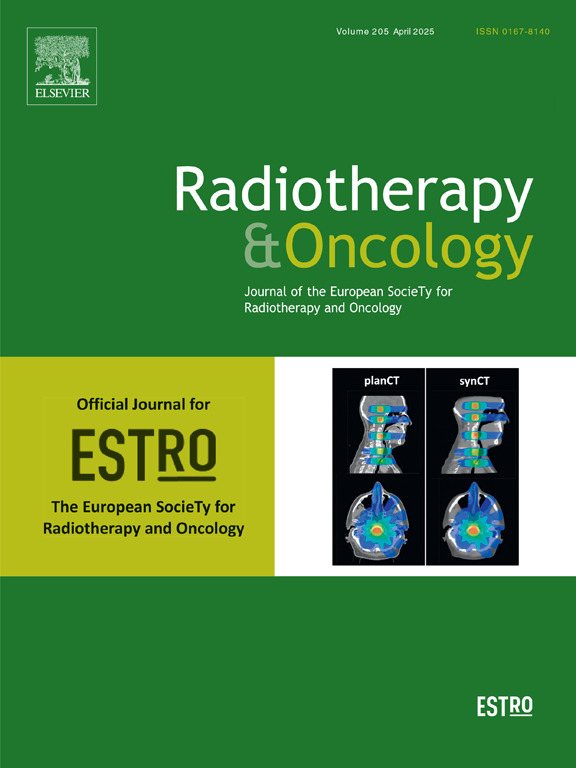
Machine learning model for predicting DIBH non-eligibility in left-sided breast cancer radiotherapy
Developed and validated a machine learning model that predicts patient eligibility for Deep Inspiration Breath-Hold (DIBH) radiotherapy using only first-day assessment data. In a prospective study of 202 patients, the model reduced the need for time-consuming multi-day assessments by 20% while maintaining high prediction accuracy—demonstrating how AI can streamline resource-intensive clinical workflows without compromising patient care quality.
Read Publication
Identification of variables and development of a prediction model for DIBH eligibility in left-sided breast cancer radiotherapy
Through prospective analysis of 253 breast cancer patients undergoing breath-hold radiotherapy, identified the key clinical variables—breath-hold duration and amplitude—that predict treatment eligibility with statistical significance (p<0.001). The validated model provides clinicians with an evidence-based decision-support tool for optimizing cardiac-sparing radiotherapy techniques, improving both patient outcomes and clinical efficiency.
Read Publication
Operational efficiency gains with agile digital workflow system in radiation oncology clinics
Prospective evaluation of OncFlow® digital workflow system versus standard practices demonstrated dramatic operational improvements: 69% reduction in patient consultation waiting times (5.5 vs 17.9 minutes, p<0.0001), 75% fewer communication errors (1 vs 4 incidents monthly, p<0.001), and significantly faster clinical data retrieval. Real-world validation that intelligent workflow automation directly translates to better patient experience and enhanced clinical productivity.
Read PublicationPatent Portfolio
Protecting innovations that solve critical challenges in oncology care delivery
AI-Driven Treatment Planning with Self-Validating Multi-Agent System
The Innovation
A triple-verification AI architecture (proposer, reviewer, judge) that cross-checks its own outputs, coupled with a continuously auto-updating knowledge base that integrates new NCCN guidelines and clinical research as they’re published—eliminating the “stale training data” problem that plagues standard LLMs.
Patient Impact
Prevents dangerous AI hallucinations in cancer care planning. When treatment protocols change or new contraindications emerge, the system knows—it’s not recommending outdated chemotherapy regimens based on 12-month-old training data. The self-reflection architecture catches errors before they reach the oncologist, ensuring treatment plans reflect current clinical evidence with physician oversight as the final safety layer.
Automated TNM Cancer Staging with Multi-Agent Verification
The Innovation
Automates the notoriously complex TNM staging process using multi-agent LLM architecture (proposer, reviewer, judge) that’s tethered to a continuously updated knowledge base of official oncology guidelines—not just trained on historical data. The system scopes AI outputs to trusted, approved AJCC/UICC staging criteria rather than relying on what the model “remembers,” eliminating the drift between evolving staging standards and clinical practice.
Patient Impact
Solves the consistency problem: TNM staging varies when different clinicians interpret complex criteria differently, leading to under-staging (delayed treatment) or over-staging (unnecessary aggressive therapy). By standardizing staging against the latest guidelines and cross-verifying with multiple AI agents, the system ensures patients get accurately staged the first time—critical because staging dictates everything from surgery vs. chemotherapy to prognosis discussions. Particularly transformative for resource-limited settings where access to up-to-date staging expertise is scarce.
Machine Learning-Based DIBH Eligibility Prediction
The Innovation
Automates Deep Inspiration Breath-Hold (DIBH) patient selection using a machine learning model trained on clinical parameters, replacing the labor-intensive manual assessment process that’s prone to subjective interpretation and inconsistency. The system predicts eligibility using objective patient data rather than relying on trial-and-error breath-hold sessions that waste clinical resources and delay treatment.
Patient Impact
DIBH is critical for cardiac protection during left-sided breast cancer radiotherapy—proper breath-holding moves the heart away from the radiation field, dramatically reducing long-term cardiac toxicity. Manual selection misses eligible patients who would benefit from cardiac sparing and wastes time on ineligible patients who can’t sustain consistent breath-holds, leading to treatment delays and on-couch failures. The ML model ensures the right patients get DIBH the first time, optimizing cardiac safety while eliminating unnecessary multi-day assessments—directly reducing future heart attacks and cardiac deaths in breast cancer survivors.
Research Impact
Our contribution to Oncology
250+
Combined Publications
3
Patent Applications Filed
15+
Conference Presentations
3,500+
Citations
Interested in Our Research?
Learn more about our innovations or discuss collaboration opportunities
Contact Us